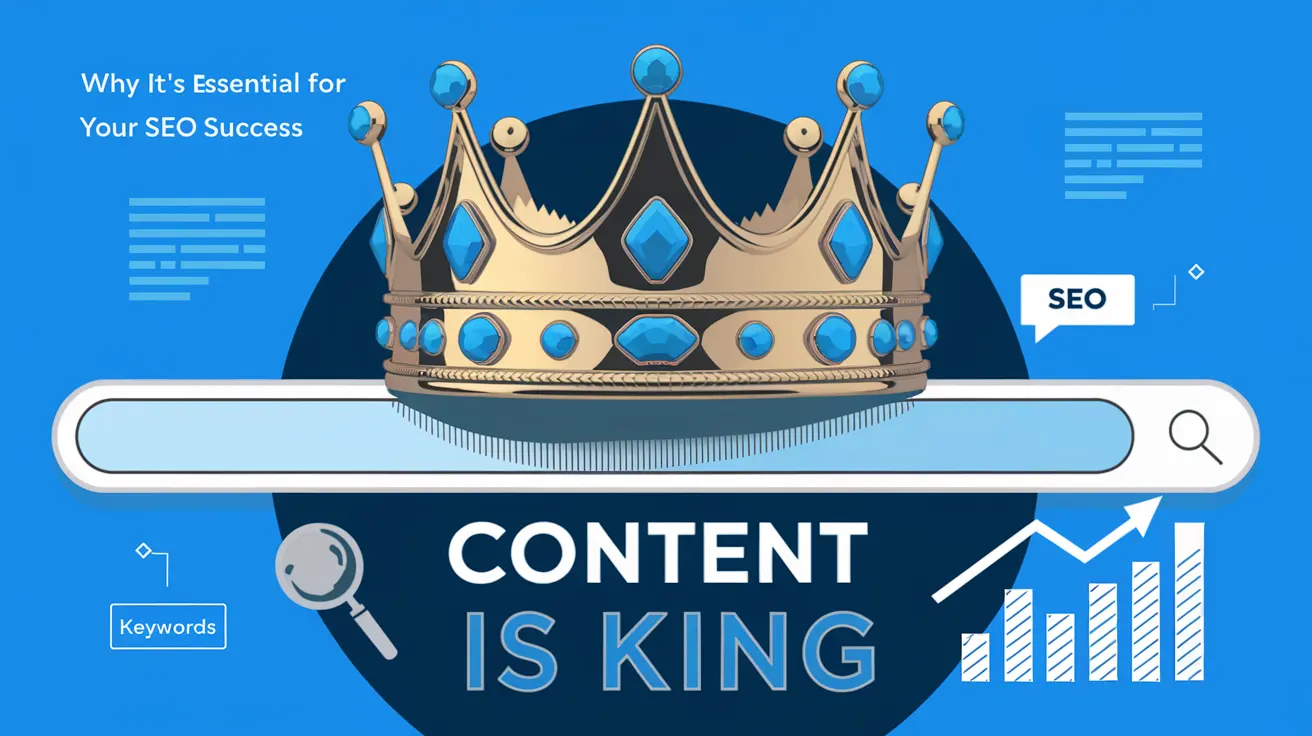
High-quality content is essential for online success. You might have heard the phrase “content is king,” and that’s especially true when it comes to SEO (Search Engine Optimization). According to Forbes, quality content is one of the primary drivers of organic traffic, which can significantly boost your brand's visibility. The right content can elevate your brand, attract new customers, and make sure your website is easy to find on search engines like Google.
But what does it really take to create great content that stands out? This guide will show you how to master SEO writing with simple, effective strategies — whether you’re running a small business or just getting started with content marketing.
SEO Writing: What It Is and Why It Matters
Let’s start with the basics: Search engine optimization writing is about crafting content that helps your website rank well in search platforms. Unlike regular content writing, which focuses solely on engaging and informing readers, optimized writing aims to do this while also ensuring that the content is structured and discoverable by search platforms. It’s a blend of creating interesting, valuable content for people while also making sure search engines understand what your page is about.
When you write with SEO in mind, you consider things like keywords (the terms people are searching for), how well your content answers user questions, and making sure your writing is structured in a way that search engines can easily read. The key elements of SEO writing include keyword research, good structure, readability, and optimization techniques like using the right headings and including internal links.
SEO writing is crucial for boosting your Google ranking. By understanding how SERPs (Search Engine Results Pages) work, you can position your content to meet user needs more effectively.
Types of SEO Content: Boost Visibility with Varied Content Formats
Content comes in many shapes and sizes, and each type can be optimized for SEO:
- Social Media Posts: While not directly affecting SEO, social media can drive traffic to your website and amplify your content. Social media is particularly effective for enhancing brand awareness.
- Blog Posts: These are the bread and butter of SEO content. Blog posts help answer your audience’s questions, share useful information, and build trust.
- Landing Pages: These are designed to convert visitors into customers. By including relevant keywords and offering a great user experience, landing pages can rank highly and boost your conversions.
- Infographics: Visual content like infographics is great for sharing information quickly. Plus, they’re often shared on social media, which helps bring in backlinks (links from other sites).
Content SEO Strategy: How to Develop an Effective Plan
Creating effective optimized content starts with having a strategy in place. For businesses seeking guidance, SEOcoaching.com offers tailored SEO coaching to help you build a solid content strategy. Here’s how to develop one:
- Keyword Research: This is the foundation of SEO writing. Keywords are the phrases your target audience is typing into search engines. Tools like Semrush or Google Keyword Planner can help you find the right search terms to target. These tools provide valuable insights into popular search queries, helping you target the right audience. In fact, Ahrefs provides an excellent guide on how to make the most of keyword research tools to boost your SEO strategy. Remember to include both broad terms and long-tail keywords — those more specific phrases that tend to have less competition.
- Editorial Calendar: Once you have your keywords, plan your content using an editorial calendar. This helps maintain consistency, ensures that your content aligns with your overall strategy, and keeps your audience engaged by providing regular updates. Tools like Trello or even a simple spreadsheet can help you map out your blog topics and post schedule.
- Use SEO Tools: Yoast SEO (for WordPress) is great for making sure your content is optimized for readability and keyword use. Semrush can also help analyze your content and keep tabs on how well it’s performing.
If you're a small business owner, you might also benefit from reading Technical SEO Made Simple: A Guide for Small Businesses, which provides an easy-to-understand overview of how to handle technical aspects of SEO without getting overwhelmed.
Content Creation Best Practices for Successful SEO
The heart of SEO writing is creating valuable content for readers while also being optimized for search engines. Mastering these techniques involves understanding how to effectively balance user engagement with search engine requirements.
- Content for SEO vs. Content for Users: It’s important to remember you’re writing for people first, and search engines second. This ensures your content remains engaging and trustworthy, which ultimately benefits both users and your search rankings. Your content should provide real value, answer questions, and solve problems for your audience. As Bill Gates once famously stated, “Content is still king”— meaning that the most valuable and high-quality content will always attract attention and traffic.
- Readability and User Experience: Break up long paragraphs, use bullet points, and write in a conversational tone. The easier it is to read, the more people will enjoy and share it.
- Long-Tail Keywords: These are more specific phrases that people search for. They may not have huge search volumes, but they can help you attract highly targeted traffic.
Including long-tail keywords such as “how to use content to improve Google ranking” and “reasons why content is important for digital marketing” can help you capture niche traffic.
Optimizing Your Content: On-Page SEO, Link Building, and Analytics
To make your content truly shine, it’s important to take advantage of on-page SEO and link-building strategies.
- On-Page SEO Techniques: Use your main target phrases in strategic places like the title, headings, and throughout the content, but always naturally. Don’t overdo it — stuffing terms can make your content feel awkward and get you penalized by search platforms.
- Link Building Strategies: Internal links help guide your readers to related content on your site, while backlinks from other sites can improve your authority. Creating shareable content, like in-depth guides or infographics, can encourage other sites to link to you.
- Using Analytics: Tools like Google Analytics help track which content is driving traffic, and how users are interacting with your pages. This data is key to refining your content strategy over time.
If you're interested in learning more about SEO specifically for coaches, check out our article on SEO for Coaches: Proven Strategies to Attract More Clients. This guide provides valuable insights tailored for coaching businesses looking to enhance their online presence.
SEO for Content Marketing: Integrate SEO to Amplify Results
Integrating SEO into your broader content marketing strategy can amplify your results.
- Content as Part of Your Marketing Strategy: Every piece of content should have a purpose, whether it’s to answer a question, build brand awareness, or convert leads. Planning your content around your target audience’s needs is crucial.
- Tracking Performance: Measure how well your content is performing with tools like Google Search Console and Semrush. These tools can show you how often your content appears in search, how many clicks it gets, and where it ranks. Additionally, Moz provides an in-depth guide on key metrics to measure the success of your SEO efforts.
To avoid common pitfalls, you might want to read our post on 9 Common SEO Mistakes For Coaches To Avoid in 2025. This can help you fine-tune your strategy and avoid errors that could hinder your growth.
Understanding SEO Agencies: How to Choose and Evaluate Their Services
If you’re working with an SEO agency or considering hiring one, it helps to understand their approach.
- How Agencies Approach SEO Writing: Many agencies use a mix of keyword research, content optimization, and link-building to help you rank higher. It’s important they focus not just on getting traffic, but on attracting the right kind of visitors. An experienced marketer will understand the nuances of digital marketing and know how to create relevant content that resonates with users.
- Evaluating Agency Performance: Look at metrics like increased traffic, keyword rankings, and the quality of leads. A good SEO agency should also provide clear reporting and help you understand the results they’re achieving.
Make Content King with Effective SEO Writing
SEO writing is about more than just using the right keywords — it’s about creating content that speaks to your audience, adds value, and is optimized to rank well. By understanding what makes content really “king” in SEO, you can develop a strategy that brings in more visitors, grows your brand, and ultimately boosts your bottom line.
Frequently Asked Questions
Long-tail keywords are specific, multi-word phrases that target niche audiences. They often have lower search volumes but higher conversion rates because they capture more focused user intent. For example, instead of "shoes," a long-tail keyword could be "comfortable running shoes for women."
Internal linking helps search engines understand the structure of your website. It distributes link equity across pages, improves navigation, and keeps users engaged longer, which can boost your SEO rankings.
On-page SEO refers to optimizing individual web pages for search engines. This includes optimizing meta tags, headings, keywords, URLs, and content readability to improve rankings.
Keyword research helps you understand what your audience is searching for. It ensures your content aligns with user intent, making it easier to rank higher on search engines and attract relevant traffic.
Meta descriptions don't directly influence rankings but play a crucial role in click-through rates. A well-crafted meta description entices users to click on your link, improving traffic and engagement.
Headings structure your content and improve readability for users. They also help search engines understand the hierarchy of your content, boosting its chances of ranking for relevant queries.
Ready to take your SEO writing to the next level? Download our free SEO content checklist today and visit SEOcoaching.com to explore personalized coaching sessions that will help you see real results!