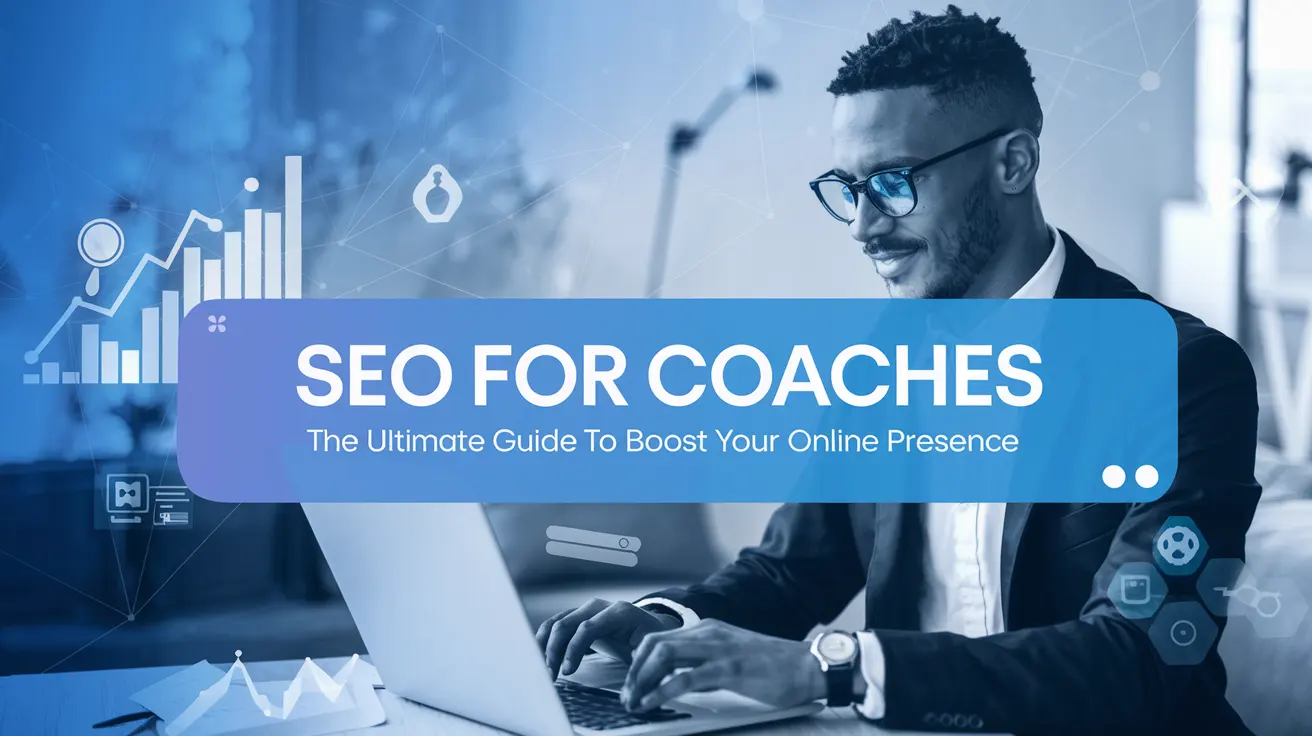
To attract more clients as a coach, establishing a strong online presence is essential. Search Engine Optimization (SEO) plays a pivotal role in connecting you with potential clients actively seeking your expertise. According to a Moz guide on SEO, effective SEO strategies, such as optimizing your keywords and creating high-quality content, can significantly enhance your visibility, making it easier for prospective clients to find you online. In this guide, we’ll explore effective strategies to increase your visibility on search engines like Google, enabling you to grow your coaching business and reach more prospective clients.
SEO vs Advertising: A Balanced Approach for Coaches
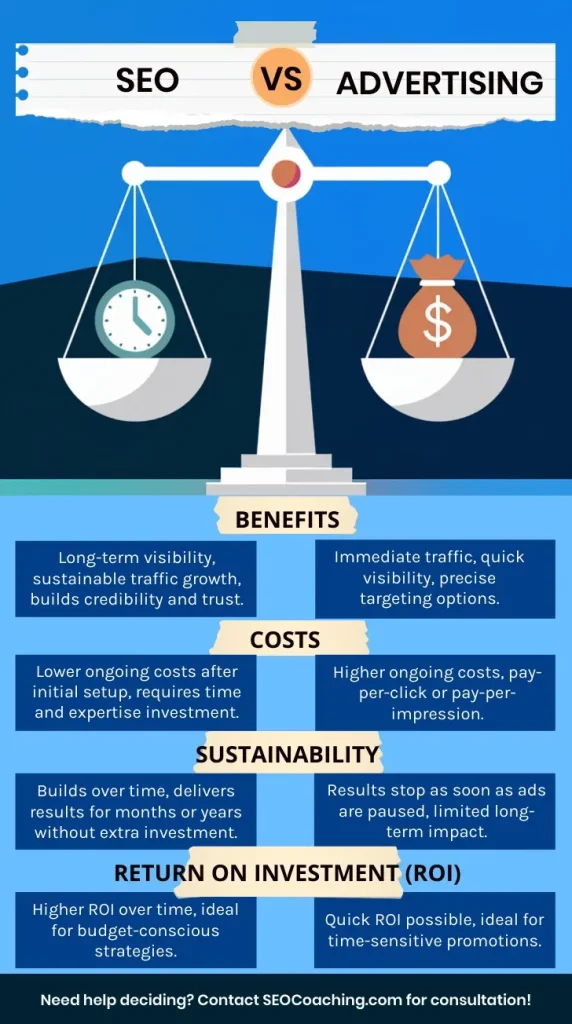
As a coach, understanding the difference between SEO and advertising is essential to make informed decisions about your marketing strategy. Both approaches have their strengths: SEO is excellent for building long-term, sustainable traffic, while advertising can provide quick visibility and immediate results.
Investing in SEO efforts is crucial for coaches looking to get found. With the right SEO tools, you can improve your search engine rankings and attract the right clients. Keyword research for coaches helps identify what potential clients are searching for, allowing you to optimize your website and rank higher in search results. The benefits of SEO for coaches are immense, as successful SEO strategies drive organic website traffic over time.
While advertising can provide quick results, SEO can help you build a sustainable presence where clients find you organically. For example, paid ads on platforms like Google or Facebook can quickly drive traffic to your site, but organic SEO can ensure consistent visibility over time without ongoing costs.
By combining both SEO and advertising, coaches can leverage the immediate impact of ads with the sustainable growth provided by SEO. This balanced approach helps create a successful strategy that not only increases leads and clients but also ensures you stand out in a crowded market.
To learn more about optimizing your SEO strategy effectively, check out our guide on Hiring an SEO Coach. This resource provides in-depth insights into how an SEO coach can help you boost your visibility and achieve your business goals.
Understanding Your Target Audience for SEO Success
Identifying SEO Needs, Pain Points, and Client Personas
Before diving into SEO strategies, it's vital to understand your ideal client. Understanding your target audience is crucial for an effective SEO strategy because it helps ensure your content speaks directly to their needs and challenges, making it more likely to engage and convert. Coaches often attract small business owners, entrepreneurs, or individuals seeking professional growth. By identifying their pain points — such as improving leadership skills or navigating career challenges — you can craft content that directly addresses their needs.
Developing a client persona is an effective way to focus your efforts. A persona includes details like age, profession, challenges, and preferences. You can gather this information by using surveys, client interviews, or analyzing data from existing clients. This helps ensure that your persona is accurate and actionable. For example, if your target audience includes small business owners aged 30–50 who struggle with online marketing, your content should focus on practical, easy-to-implement strategies, such as “How to Use SEO to Attract More Clients.” This ensures your content resonates deeply with the right audience, building trust and driving engagement.
Developing an SEO Strategy for Coaches to Attract More Clients
Keyword Research and Selection
Keywords are the foundation of effective SEO. They represent the search terms potential coaching clients type into search engines, such as:
- How to attract clients as a coach
- How to use SEO to attract more clients
- Marketing for coaches
Tools like:
- Google Analytics: Helps monitor traffic and identify top-performing content.
- SEMrush and Ahrefs: Excellent for keyword research, backlink analysis, and tracking rankings.
- Ubersuggest: A budget-friendly option for discovering keyword ideas and insights.
Each of these tools serves different purposes in optimizing your content effectively. For example, long-tail keywords such as SEO strategies for life coaches or marketing for coaches are specific, less competitive, and more likely to attract highly targeted traffic.
Use these SEO keywords naturally in blog titles, headings, and content. Prioritize user experience by ensuring keywords fit seamlessly into the text, providing valuable content to readers without overuse. This approach helps reduce the risk of keyword stuffing while maintaining content quality. Prioritize readability and relevance to ensure maximum engagement. This approach will help you strike the right balance and improve your content's effectiveness. For example:
- Title: "10 Proven SEO Strategies for Coaches to Attract More Clients"
- Sentence: "Many coaches struggle with visibility, but targeted SEO strategies for life coaches can help them connect with the right audience."
When conducting keyword research, look for keyword suggestions, secondary keywords, and competitive keywords to further refine your content. This approach will help you capture potential coaching clients by covering various aspects of their search intent.
On-Page SEO Techniques
On-page SEO is key to an effective content strategy that improves visibility and boosts conversion rates. It involves optimizing the content and structure of your website. Focus on the following strategies:
- Titles and Meta Descriptions: Ensure they include target keywords and are compelling. For example: “How to Use SEO to Attract More Clients: A Step-by-Step Guide.”
- Headers (H1, H2, H3): Use clear, keyword-rich headings to organize your content and make it easy to read. This helps improve search engine rankings.
- Internal Linking: Link to relevant blog posts or pages on your site, like a blog on Marketing for Coaches or How to Create an Effective Coaching Website to keep visitors engaged and boost SEO. Use relevant anchor text for these links to help search engines better understand the context of the linked content. Internal links help distribute authority throughout your site, reducing bounce rate and keeping users on your site longer.
- Content Quality: Provide high-value, actionable information. Google prioritizes informative, engaging content that answers user queries effectively. Creating SEO content that aligns with user intent ensures higher rankings and improved conversion rates.
Off-Page SEO Techniques
Off-page SEO includes strategies to boost your website’s authority and visibility:
- Link Building: Gain backlinks from reputable websites by guest blogging or creating shareable content. These external links help build authority and trust, positively impacting your search engine marketing efforts. For instance, contribute an article on how to attract clients as a coach to a popular coaching blog.
- Guest Posts: Write articles for other websites to gain exposure and build backlinks. This not only improves SEO but also positions you as an authority in your field.
- Social Media Engagement: Promote your blog posts and share insights on platforms like LinkedIn, Facebook, and Instagram. Use social media analytics to determine which posts perform best and adjust your strategies accordingly. Engaging with your audience builds brand awareness, attracts backlinks, and drives traffic to your site.
- Online Directories: List your coaching services on directories like Yelp or niche-specific sites to increase visibility and attract prospective clients.
Content Marketing Strategies for Coaches
High-Quality Content
Great content establishes you as an authority in your field. By delivering valuable content that speaks directly to your audience — such as addressing specific pain points, providing actionable tips, or sharing unique insights — you can effectively engage and convert potential clients. For example, writing a blog post that specifically addresses 'How to Overcome Common Challenges in SEO for Coaches' can directly solve problems your audience faces, making your content more relevant and engaging. According to Content Marketing Institute, blogs, videos, and podcasts are effective forms of content that help share valuable insights and attract more coaching clients, making your expertise accessible and engaging. For example:
- Blogs: Write detailed posts like “Top 5 SEO Tips for Coaches” or “How to Attract Clients as a Coach Using SEO.” These can be optimized with competitive keywords to improve search engine rankings.
- Videos: Create tutorials or share success stories to engage a broader audience.
- Webinars: Host live sessions to showcase your expertise and interact directly with potential coaching clients.
Content Distribution
Maximize your reach by distributing content on multiple platforms. A strong content distribution strategy ensures that your relevant content reaches potential clients where they are most active. As Mailchimp's content distribution guide suggests, utilizing various channels can increase your content's visibility and attract a wider audience:
- Social Media: Share blog posts and videos with hashtags like #MarketingForCoaches or #AttractMoreClients. Create engaging social media posts to connect with followers and drive traffic to your website.
- Email List: Send newsletters with links to new content, like a blog on how to use SEO to attract more clients. Building and nurturing an email list is an effective way to stay top-of-mind with prospective clients.
- YouTube and Podcasts: Optimize titles and descriptions with relevant keywords to reach audiences who prefer visual or audio content.
Leveraging Tools and Resources
Recommended Tools
- Google Analytics: Monitor traffic and identify top-performing content.
- SEMrush or Ahrefs: Analyze keywords, track rankings, and find backlink opportunities. Use these tools to evaluate keyword performance and adjust your SEO strategy.
- Ubersuggest: Discover budget-friendly keyword ideas and insights.
Engaging Through Webinars and Communities
Use tools like Zoom for webinars or participate in forums like Quora to establish authority. Engaging in such platforms is particularly effective in the coaching industry, helping you connect with potential coaching clients directly. Answering questions like How to attract clients as a coach can position you as a go-to expert in your niche.
Advanced SEO Techniques for Coaches
Local SEO Strategies for Coaches
Local SEO is crucial for coaches who offer services to clients in specific regions. Optimizing your Google Business Profile, including accurate location information, and encouraging client reviews can help you rank higher in local search results and attract nearby clients. For example, a successful local SEO strategy might involve reaching out to past clients for positive reviews via email or setting up a referral program to encourage word-of-mouth promotion, which can significantly improve visibility in a local area. According to recent data, 78% of local mobile searches result in an offline purchase, making it crucial to optimize for local search to convert potential leads into paying clients.
Using Schema Markup to Enhance Visibility
Schema markup is a powerful tool to enhance your website’s visibility in search engine results. Structured data is a standardized format that helps search engines better understand your content, which can lead to rich snippets and improve your click-through rates. By adding structured data, you provide search engines with additional information about your services, making your site more informative and appealing in search results. For instance, using FAQ schema on your coaching service pages can help display additional information directly on search results, attracting more clicks and providing immediate answers to potential clients.
Monitoring and Analyzing SEO Performance
Regularly monitoring and analyzing your SEO performance is essential for continuous improvement. Use tools like Google Analytics and Search Console to track important metrics such as organic traffic, bounce rate, and conversion rates. Aim to analyze your SEO metrics on a weekly or monthly basis to stay informed and make timely adjustments. This data will help you make informed decisions and refine your SEO strategies over time. For example, by tracking the bounce rate on key pages, you can identify which content needs improvement and adjust accordingly to enhance user engagement, such as making content more interactive or optimizing page load speed.
The Power of SEO for Coaches
SEO is a game-changer for coaches looking to grow their client base. Staying up-to-date with SEO trends is crucial, as the landscape is constantly evolving, ensuring you maintain a competitive edge. For more insights on the benefits of SEO specifically for coaches, check out our article on The Importance of SEO for Coaches: Key Benefits, Practices, and Strategies to Grow Your Client Base, where you'll learn about the essential SEO practices that can drive your coaching business growth.
Additionally, If you're looking for personalized support, our guide on SEO Coaching Packages: What’s Best for Your Small Business? will help you understand the different options available and choose the most suitable package for your unique needs. By understanding your audience, crafting a strategic SEO plan, and consistently creating high-quality content, you can significantly boost your online presence.
Ready to transform your coaching practice? Visit SEOCoaching.com to learn more about our services, connect with an SEO expert, and take your coaching business to the next level. Let’s grow your coaching business together!