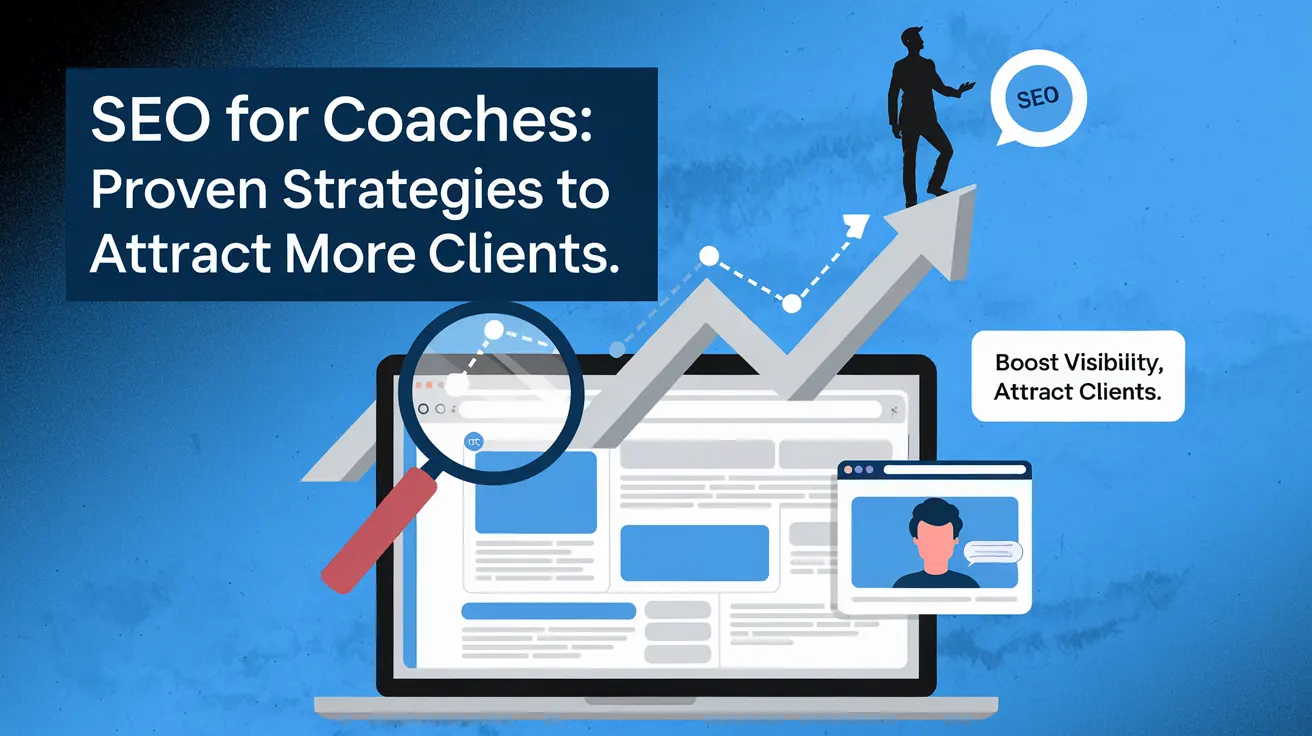
Mastering SEO is crucial for attracting more coaching clients online. The importance of SEO lies in its ability to help coaches boost visibility, build credibility, and expand their client base. By applying effective SEO practices and strategies, coaches can create a powerful online presence that drives consistent business growth.
What is SEO?
SEO, or Search Engine Optimization, is the practice of optimizing a website to improve its ranking on search engine results pages (SERPs). By using effective techniques, SEO helps increase a website's visibility, making it more likely for users to find it when searching for relevant terms.
Importance and Key Benefits of SEO for Coaches
With millions of websites competing for attention, SEO is essential for coaches who want to stand out and attract potential clients. Search engines like Google use complex algorithms to determine which sites to show first. By optimizing your website according to these algorithms, you can improve your chances of appearing at the top of the results, driving more traffic to your site.
To get started with SEO for your coaching business, focus on keyword research to identify terms your potential clients are searching for. Optimize on-page elements like titles and content, ensure your site is mobile-friendly, and build backlinks through valuable content.
Increased Visibility
SEO boosts your visibility by helping your website rank higher in search results, making it more likely that potential clients will find you. By targeting the right keywords, such as 'career coach for professionals' or 'life coach near me,' and optimizing your site content, you make it easier for potential clients to find you when they need coaching services. This proactive approach reduces reliance on word-of-mouth referrals and broadens your market reach.
Enhanced Credibility
High-ranking websites build trust, making potential clients more likely to choose your services over competitors. Clients want reliable, authoritative figures, and well-structured content can build that trust. SEO practices like obtaining quality backlinks, maintaining an active blog, and using social proof such as testimonials can significantly enhance your credibility.
Better Understanding of Audience
Keyword research reveals what your audience is actively searching for, enabling you to create content that directly addresses their needs. For example, identifying frequently searched topics can help coaches create targeted blog posts or resources that attract potential clients. Understanding these keywords gives you insights into client needs and preferences. Use keyword research tools to identify relevant keywords and phrases.
Improved Website Traffic
SEO drives relevant, organic traffic to your site, leading to higher engagement and more potential clients. Organic traffic is particularly valuable because it represents a sustained source of potential clients. Unlike paid advertising, which requires ongoing investment, organic SEO efforts can provide lasting results. By creating high-quality, evergreen content that remains relevant over time, you can continue to attract visitors to your site long after the content is published.
Higher Return on Investment (ROI)
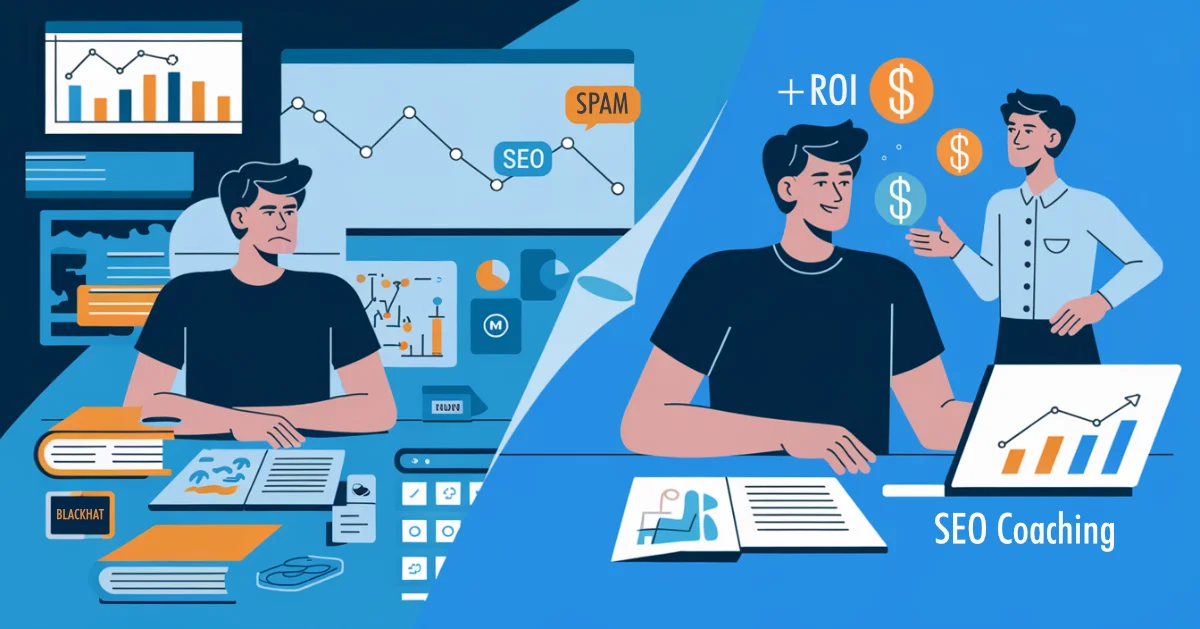
Investing in SEO can yield significant returns. Unlike paid advertising, which stops bringing in traffic once you stop paying, the benefits of SEO are long-lasting. By consistently optimizing your site, you can continue to attract new clients without ongoing costs. The higher ROI from SEO comes from the compound effect of improved visibility, credibility, and traffic. Each of these elements works together to create a robust online presence that continually attracts new clients.
Explore the key differences between Organic SEO and Paid Ads with this comprehensive comparison table, designed to help you make informed decisions for your marketing strategy
| Aspect | Organic SEO | Paid Ads |
|---|---|---|
| Cost | Low ongoing cost after initial setup. Requires time investment. | High cost for immediate visibility. Requires continuous payment. |
| Long-term Results | Long-lasting impact with consistent effort. Traffic builds over time. | Stops as soon as the ads are turned off. No residual benefits. |
| Audience Reach | Organic traffic grows steadily with improved rankings. | Immediate and targeted reach based on budget and audience settings. |
| Credibility | Builds trust as users often trust organic results more. | May appear less trustworthy as users know it's a paid placement. |
| Timeframe | Takes time to see results but provides sustained traffic. | Delivers instant results as soon as the campaign goes live. |
Essential SEO Practices for Coaches
Keyword Research
Keyword research involves identifying the terms and phrases that potential clients are using to search for coaching services. Tools like Google Keyword Planner, SEMrush, and Ahrefs can help you find relevant keywords with high search volumes and low competition. Once you have a list of keywords, you can incorporate them into your website content, blog posts, and other online materials to improve your visibility. For a detailed guide on how to conduct effective keyword research, consider checking out Ahrefs' Keyword Research Guide. Ahrefs is a trusted authority in the SEO industry, and their guide can help you refine your approach.
Effective keyword research involves more than just finding popular terms. It's about understanding the intent behind those searches. Are people looking for general information, or are they ready to hire a coach? By analyzing search intent, you can create content that meets potential clients where they are in their decision-making process.
On-Page SEO
On-page SEO ensures each page of your site is optimized for both search engines and users, leading to better rankings and visibility. Key practices include using descriptive and keyword-rich titles, headers, and meta descriptions; ensuring your content is high-quality and informative; and optimizing images with alt text. For example, including a keyword like 'coaching tips' in your title can make your page more relevant to search engines and your target audience.
Effective on-page SEO involves more than just keyword placement. It includes creating a seamless user experience, with easy navigation, fast loading times, and mobile-friendly design. Structured data, such as schema markup, can also help search engines understand your content better, potentially leading to rich snippets in search results that can increase your click-through rate.
Off-Page SEO
Off-page SEO focuses on increasing your site's authority through activities such as backlink building and social media engagement. Building high-quality backlinks from reputable sites, such as industry-related blogs or well-known coaching platforms, is a critical component. For example, collaborating with a well-known coaching website to publish a guest blog can significantly improve your site's authority. Engaging with your audience on social media and encouraging them to share your content can also help increase your site's authority and visibility. To understand more about building backlinks effectively, refer to Backlinko's Link Building Guide. Backlinko provides valuable insights into effective strategies for gaining high-quality backlinks.
Backlinks are essential for establishing your site’s authority. Each link from reputable sites, like industry blogs or well-known media, acts as a vote of confidence, telling search engines that your content is valuable. Guest blogging, participating in industry forums, and collaborating with other experts are effective ways to build backlinks.
Technical SEO
Technical SEO addresses backend issues, ensuring search engines can efficiently crawl and index your site. This includes optimizing your site’s speed, ensuring it is mobile-friendly, and creating an XML sitemap to help search engines crawl and index your site more effectively. To learn more about technical SEO best practices, visit Ahrefs' Technical SEO Guide. This guide provides in-depth insights to ensure your site aligns with the latest search engine standards and best practices.
Regularly check for issues such as broken links, duplicate content, and slow loading times. Tools like Google Search Console can help you monitor and resolve these issues. Ensuring your site is secure (using HTTPS) and easy to navigate also contributes to better search engine rankings and a more enjoyable user experience.
SEO Strategies for Coaches
Content Creation
Creating valuable and engaging content, such as blog posts, webinars, and case studies, is crucial for driving traffic and establishing yourself as an authority. Regularly publishing blog posts, articles, and other content that addresses your audience's needs and interests can help establish you as an authority in your field. Incorporate your target keywords naturally into your content to improve your search engine rankings. For additional insights into creating high-quality content, take a look at HubSpot's Content Marketing Guide. HubSpot offers in-depth information on content strategies that can help attract and retain clients.
Content creation should be aligned with your audience’s journey. Create a mix of content types, such as how-to guides, case studies, and video tutorials, to address different stages of their decision-making process.
Local SEO
Local SEO helps you connect with clients in your geographic area by optimizing for local searches and reviews, such as including location-specific keywords like 'life coach in [city]' in your content. To make your local SEO effective:
- Set Up and Optimize Your Google Business Profile: Claim your profile and ensure all information is accurate, including your business name, address, phone number (NAP), website, and hours. Add categories, images, and a compelling description to attract potential clients.
- Manage Client Reviews: Encourage your clients to leave reviews on your Google Business Profile. Positive reviews can significantly enhance your local SEO and build trust with prospective clients. Respond to reviews — both positive and negative—to show your engagement and professionalism.
- Optimize for 'Near Me' Searches: Use phrases like 'life coach near me' in your content, meta descriptions, and headings to capture local searches. Including these terms can help your business show up when potential clients are searching for services nearby.
- Ensure NAP Consistency: Make sure your name, address, and phone number (NAP) are consistent across all online platforms, including your website, social media profiles, and online directories.
By taking these actions, you can effectively connect with nearby clients and improve your visibility in local search results.
Mobile Optimization
With more users accessing websites on mobile devices, ensuring your site is mobile-friendly is essential for retaining traffic and improving SEO. Mobile optimization involves more than just a responsive design. Ensure that all elements of your site, from text to images to navigation menus, are easily accessible on mobile devices. Page speed is also critical; slow-loading pages can frustrate users and lead to higher bounce rates. Regularly test your site on different devices to ensure a seamless experience for all visitors.
Analytics and Monitoring
Monitoring your SEO performance allows you to make informed decisions and continually improve your strategy. Using tools like Google Analytics and Google Search Console, you can track key metrics such as:
- Organic Traffic: Monitor the volume of visitors coming to your site through search engines. This helps you understand how well your SEO efforts are attracting potential clients.
- Keyword Rankings: Track the performance of specific keywords to see which ones are driving traffic and which need further optimization.
- Bounce Rate: Determine how often visitors leave your site after viewing only one page. A high bounce rate could indicate issues with content relevance or user experience.
- Conversion Rates: Measure how many visitors take desired actions, such as signing up for a newsletter or scheduling a consultation. This helps you gauge the effectiveness of your calls-to-action and landing pages.
Regularly reviewing these metrics and adjusting your SEO tactics based on these insights can help you achieve better results, optimize your strategy, and ensure continuous growth for your coaching business.
Choosing the Right SEO Coach
How to Evaluate and Select an SEO Coach
Selecting the right SEO coach is crucial for your success. Look for coaches with a proven track record of helping clients achieve their SEO goals. Check their testimonials, case studies, and online reviews to gauge their expertise and reliability.
An SEO coach should not only understand the technical aspects of SEO but also how it applies specifically to coaching businesses. Look for someone who can demonstrate a clear understanding of your industry and has experience working with similar businesses.
Signs of a Good SEO Coach
A good SEO coach will provide personalized guidance, be transparent about their methods, and communicate clearly while simplifying complex concepts. Additionally, a good SEO coach will:
- Provide regular progress reports.
- Offer actionable insights.
- Be accessible and responsive.
- Demonstrate measurable results.
Why SEO is Essential for Coaches to Attract Clients
SEO enhances your online presence, boosts credibility, and attracts more clients — making it essential for every coach. Investing in SEO can yield long-lasting benefits, making it an essential part of any coaching business's digital marketing strategy.
Ready to expand your coaching business? Visit SEOcoaching.com and schedule a free consultation today to improve your online presence.
If you're ready to take your SEO to the next level, consider exploring our SEO Coaching Packages: What’s Best for Your Small Business? to find the right solution for your needs.