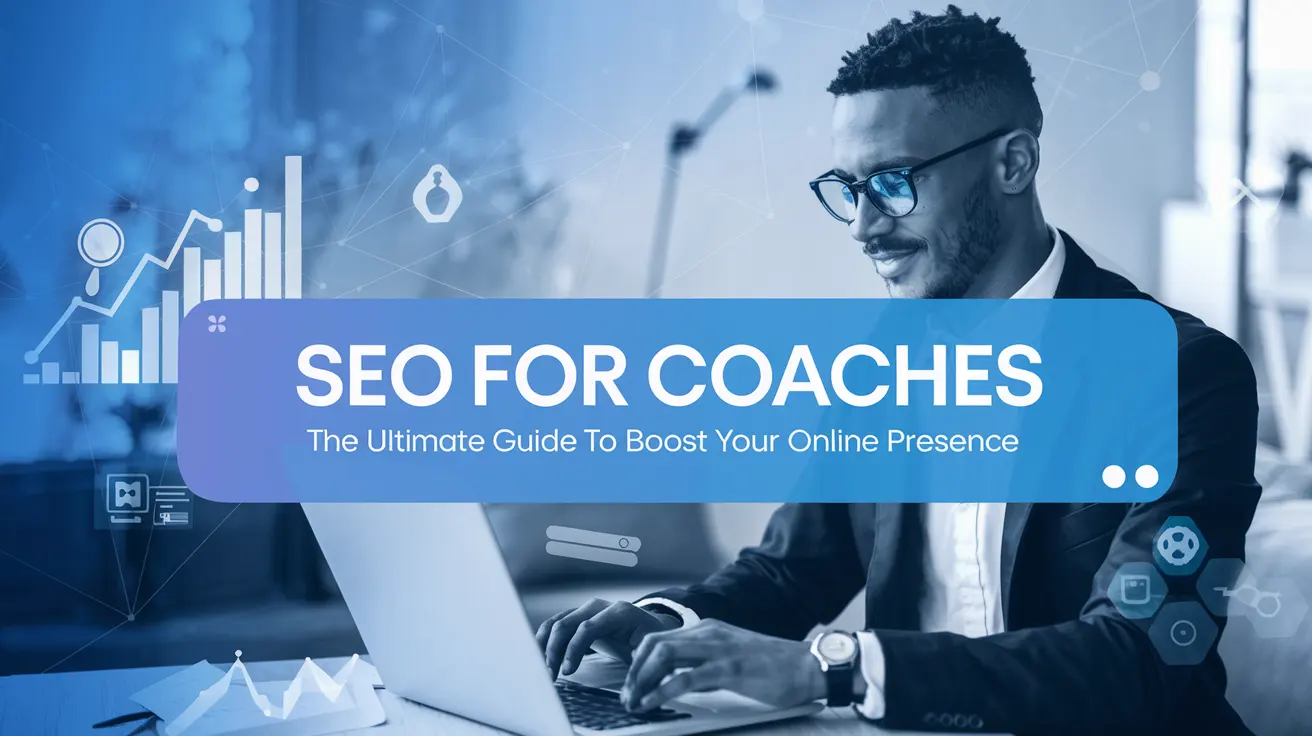
Standing out online can be challenging for small businesses in today's digital landscape. With the right Search Engine Optimization (SEO) approach, you can overcome these challenges. SEO coaching can provide you with practical strategies to boost your website's online presence. It also equips you with the skills to take charge of your business goals and online growth.
In this guide, we'll explore what SEO coaching is, the benefits it offers, and how it can fit seamlessly into your marketing strategy to help your business thrive.
What is SEO Coaching?
SEO coaching involves an expert guiding you on how to improve your website's search engine visibility. Unlike hiring an SEO agency that does all the work for you, SEO coaching empowers you with the knowledge and tools to handle your SEO in-house. This way, you learn how to implement effective SEO techniques yourself, making you more self-sufficient.
SEO coaching offers personalized sessions where experts, such as those at SEOcoaching.com, teach you SEO basics, including keyword research, content optimization, and technical SEO. For example, a local bakery that received SEO coaching was able to improve its website's visibility by learning how to optimize product descriptions and use relevant keywords effectively. This hands-on guidance can make a significant difference in understanding and applying SEO strategies. The goal is to equip you with the skills to manage your website's SEO independently, ensuring long-term success.
SEO coaching focuses on building a sustainable SEO strategy that benefits your business in the long term. By understanding the principles behind SEO, you can make informed decisions, improve user engagement, and avoid common pitfalls.
Differences Between SEO Coaching and Hiring an SEO Agency
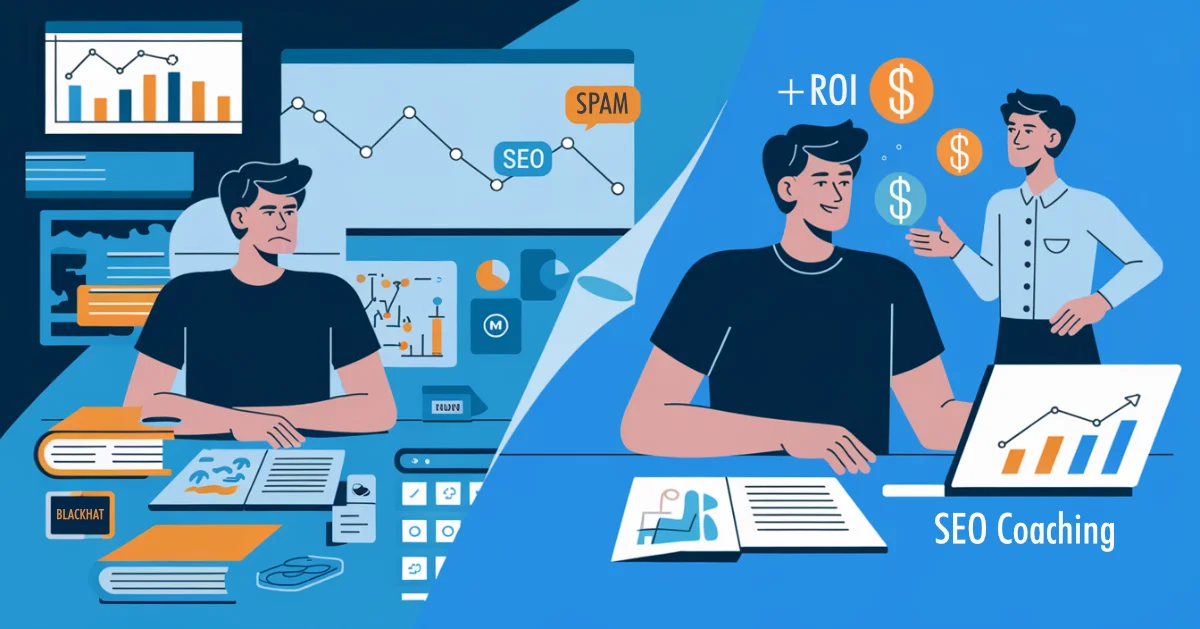
- Personalized Learning vs. Full-Service Management: SEO coaching provides one-on-one guidance and training, empowering you to handle SEO tasks independently. In contrast, an SEO agency offers comprehensive services, managing all aspects of SEO for you.
- Skill Development vs. Service Provision: With coaching, you gain valuable skills and knowledge to manage your site's SEO. Hiring an agency means relying on their expertise without necessarily learning the intricacies yourself.
- Cost Structure: Coaching typically involves a one-time or recurring fee for training sessions, whereas an agency charges ongoing fees for its services, which can vary based on the scope and scale of work.
- Control and Flexibility: SEO coaching allows you to maintain control over your SEO strategy, making adjustments as you learn. An agency handles the strategy and implementation, often with less direct input from you.
Still unsure which option suits your business best? Take this quick quiz to find out!
Do You Need SEO Coaching or an SEO Agency?
Your Recommendation
Benefits of SEO Coaching for Small Businesses
- Customized Training: SEO coaching programs are tailored to your business's specific needs, helping you address unique challenges and business goals. Whether you’re a local bakery or an online retail store, the coaching will focus on strategies that work best for you.
- Enhanced Understanding: You'll gain a solid understanding of SEO strategies and how to implement them effectively. This includes learning about on-page SEO, off-page SEO, and technical SEO aspects that are crucial for improving your website’s performance.
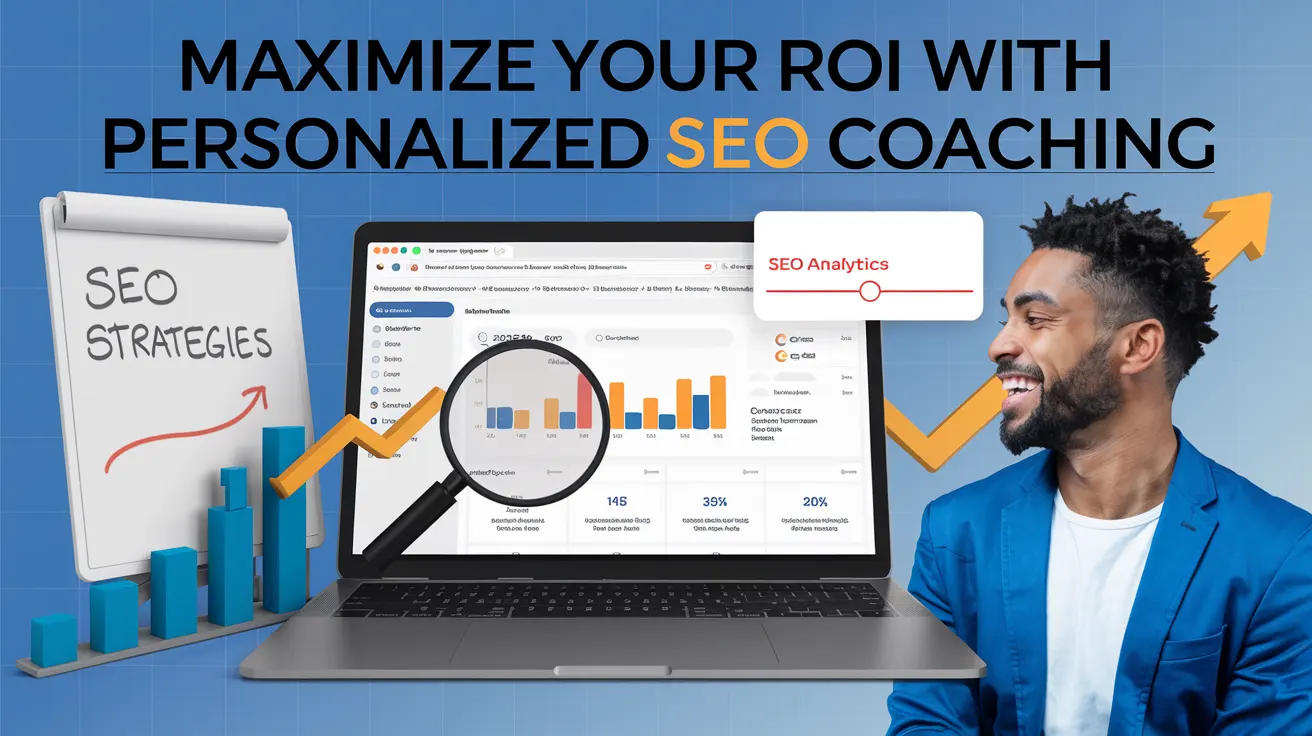
- Increased ROI: By learning to measure and analyze your SEO efforts, you can better gauge the return on investment and adjust your strategies for optimal results. Knowing how to track metrics like organic search traffic, bounce rate, and keyword rankings allows you to see the tangible benefits of your SEO activities.
How SEO Coaching Can Improve Your Marketing Strategy
Integrating SEO training into your content creation process is crucial for a cohesive marketing strategy. Here's how SEO coaching can enhance your marketing efforts:
- Keyword Research: Learn how to find and use relevant keywords to attract potential clients. A good SEO coach will teach you how to use keyword tools like Google Keyword Planner or SEMrush to identify competitive keywords that your ideal clients are searching for. Understanding keyword intent and competition will help you target the most effective long-tail keywords for your business.
- Content Optimization: Understand how to create content that ranks well on search engines. This includes learning how to write compelling meta descriptions, using headers correctly, and ensuring your content is relevant and valuable to your audience. Content optimization also involves updating old blog posts to keep them fresh and relevant, which can help maintain your rankings over time.
- Technical SEO: Get insights into improving your website’s speed, mobile optimization, and overall user experience. These technical aspects are often overlooked but are critical ranking factors for SEO success. Technical SEO includes optimizing your site's architecture, ensuring it is crawlable by search engines, and fixing any issues that might hinder its performance.
Successful SEO strategies often involve a mix of these elements. For example, a small business might see significant growth by focusing on local SEO, optimizing its Google Business Profile, and creating high-quality, locally relevant content. A local restaurant, for instance, can benefit greatly from appearing in local search results when people search for “best restaurants near me.”
Choosing the Right SEO Coach
The right guidance can make all the difference in achieving your SEO goals. Picking the right SEO coach is crucial for the success of your training program. Here are some tips:
- Experience and Credentials: Look for coaches with a proven track record and relevant experience in your industry. An SEO coach with experience in your specific niche will understand the unique challenges and opportunities you face.
- Client Testimonials: Check reviews and testimonials from previous clients to gauge the effectiveness of the coaching service. Resources like Trustpilot and Google Reviews are helpful for finding unbiased feedback from previous clients. Positive feedback from other small business owners can provide insights into what you can expect.
- Coaching Style: Ensure the coach’s teaching style aligns with your learning preferences. Some coaches might use a more hands-on approach, while others might focus on theoretical knowledge.
- Communication Skills: Effective communication is essential for a productive coaching relationship. Choose a coach who can explain complex concepts clearly and is responsive to your questions and concerns.
Here are common questions to ask potential SEO coaches to ensure they’re the right fit for your business
- What is your experience with businesses in my industry?
- Can you provide case studies or testimonials from past clients?
- What is your approach to developing an SEO strategy?
- How do you tailor your coaching to meet individual business needs?
Choosing the right SEO coach is not just about their qualifications but also about finding someone who can communicate effectively and build a rapport with you. The right coach should be patient, supportive, and willing to answer all your questions.
If you're considering hiring an SEO coach to dominate search rankings, attract potential clients, and boost revenue, be sure to check out our guide on "Hire an SEO Coach: Dominate Search Rankings, Attract Customers, and Boost Revenue." It will help you understand the key benefits of working with an expert coach and how they can make a difference in your business. Additionally, for more information on different coaching options, you can explore our detailed post on "SEO Coaching Packages: What’s Best for Your Small Business."
What to Expect from an SEO Coaching Program
A typical SEO coaching program involves regular sessions covering various aspects of SEO. Common topics include:
- SEO Fundamentals: Basics of how search engines work and the importance of SEO. Understanding the algorithms that drive search engines like Google is crucial for effective SEO. This foundational knowledge will help you grasp why certain strategies work and others don't.
- On-Page SEO: Techniques for optimizing individual web pages. This includes optimizing title tags, meta descriptions, and headers, and ensuring your content is keyword-rich and user-friendly. On-page SEO also involves using internal links to help search engines understand the structure of your site.
- Off-Page SEO: Strategies for building backlinks and increasing domain authority. Building a strong backlink profile is essential for improving your site's credibility and search engine ranking. Ahrefs offers comprehensive insights into effective link-building techniques to strengthen your backlink profile. Off-page SEO also involves social media marketing and guest blogging to increase your site's visibility.
- Analytics and Reporting: Tools and methods for measuring SEO performance. Learning how to use tools like Google Analytics and Google Search Console to track your progress and make data-driven decisions. Understanding these tools will help you identify which strategies are working and where you need to make adjustments.
Coaching sessions can vary in duration and frequency, often depending on your specific needs and goals. Some businesses might benefit from weekly sessions, while others might only need monthly check-ins. The structure of the coaching program should be flexible enough to adapt to your schedule and learning pace.
Evaluating the Effectiveness of SEO Coaching
Monitoring key performance indicators (KPIs) is essential to evaluate the success of your SEO coaching program. Important KPIs include:
- Organic Traffic: Increase in the number of visitors coming from search engines. This is a direct indicator of how well your SEO efforts are working. An upward trend in organic traffic suggests that your site is becoming more visible and attracting more visitors.
- Keyword Rankings: Improvement in rankings for targeted keywords. Seeing your business climb in search engine rankings for important keywords is a clear sign of progress. Regularly tracking your keyword rankings will help you understand which strategies are effective and which need tweaking.
- Conversion Rates: Growth in the number of website visitors converting into clients. Ultimately, the goal of SEO is to drive more sales or leads, so tracking conversions is crucial. Analyzing your conversion rates will help you understand how well your site is turning visitors into clients.
Regularly reviewing these metrics will help you determine the effectiveness of your SEO strategies and make necessary adjustments. Your SEO coach should guide you on how to interpret these metrics and use them to refine your strategy. They should also help you set realistic goals and benchmarks for your SEO efforts.

Achieving Success with SEO Coaching for Small Businesses
SEO coaching offers small businesses a powerful tool to enhance their online presence and drive organic search traffic. By providing customized training and a deeper understanding of SEO strategies, coaching empowers businesses to take control of their SEO efforts and achieve sustainable growth. With the right SEO coaching program, you can learn how to optimize your website, create valuable content, and improve your search engine rankings.
SEO coaching is an investment in your business’s future. It equips you with the knowledge and skills to navigate the changing landscape of digital marketing, ensuring that you stay ahead of the competition. Whether you're looking to increase local visibility, boost online sales, or simply understand how to make your website more attractive to search engines, SEO coaching can provide the guidance you need.
Ready to boost your SEO knowledge and drive more traffic to your website? Schedule a consultation for personalized SEO coaching today. Visit SEOcoaching.com to learn more about our SEO coaching services. Don’t miss out on the opportunity to take your business to the next level with expert SEO training!